
Call: 07971670477
 Send Inquiry
 Send Inquiry
UL FLKM 40 Interface Module
Price 480.0 INR/ Piece
MOQ : 1 Piece
UL FLKM 40 Interface Module Specification
- Weight
- Approx. 120 g
- Control Type
- Passive
- Phase
- Single Phase
- Load Capacity
- Per Terminal Up to 2.5A
- IP Rating
- IP20
- Application
- PLC Signal Interface / Control Cabinet Integration
- Automation Grade
- Industrial Automation
- Cable Length
- User Defined (depends on installation)
- Frequency
- 50/60 Hz
- Connectivity Type
- Screw Clamp Terminal
- Features
- Pluggable Interface, Vibration Resistant Design, Numbered Terminal Blocks
- Mounting Type
- DIN Rail Mounting
- Material
- Flame Retardant Polyamide (PA66)
- Power
- Low Power Consumption (signal level)
- Temperature
- -20°C to +50°C Operating Range
- Voltage
- Max 250V AC/DC
- No. of Channels
- 40 Channels
- Compliance
- RoHS Compliant
- Resistance to Flame
- UL94V-0 Rated
- Terminal Type
- Screw Type
- Colour
- Grey
- Dimensions
- Approx. 125mm x 90mm x 45mm
- Connector
- Male 40-Pin D-Sub (DB40)
- Package Content
- FLKM 40 Module, Installation Manual
UL FLKM 40 Interface Module Trade Information
- Minimum Order Quantity
- 1 Piece
- Main Domestic Market
- All India
About UL FLKM 40 Interface Module
Passive Interface Modules are used to convert the conventional wiring into Modular Wiring. It consists of FRC Male connector at one side and screw type/screw-less terminals at the other side.
No. of Positions: 40Test Voltage: 500V between each channel.Standard/Approvals: PCB: Type tested STQC, IEC 61373, ANSI IPC 2221 2222, MIL 275B.Terminals: UL/CE CSA Standard.
Efficient Signal Management for Control Cabinets
The FLKM 40 Interface Module streamlines signal distribution in PLC-based control cabinets, enabling secure connectivity for up to 40 channels. Its pluggable, vibration-resistant interface simplifies integration and maintenance, while numbered screw terminals support organized wiring. Engineered for industrial environments, it stands out for reliable performance even under demanding conditions.
Industrial-Grade Safety and Compliance
This module uses flame-retardant PA66 material and boasts a UL94V-0 rating, making it a safe choice in high-risk environments. RoHS compliance and IP20 protection add assurance for global standards. The device's single-phase compatibility and low-power consumption meet modern automation requirements without compromise.
FAQ's of UL FLKM 40 Interface Module:
Q: How is the UL FLKM 40 Interface Module installed in a control cabinet?
A: The module is designed for DIN rail mounting, enabling swift and secure installation within PLC control cabinets. Simply attach the module to the rail and connect wires using the numbered screw clamp terminals as per the included installation manual.Q: What benefits does the flame-retardant polyamide construction offer?
A: The use of UL94V-0 rated PA66 provides superior fire resistance, enhancing safety in industrial environments. This material minimizes fire risk and contributes to the module's overall durability against harsh operating conditions.Q: Where can the FLKM 40 Interface Module be used?
A: It is ideal for industrial automation systems, especially in applications involving PLC signal interfacing and control cabinet integration. The module suits manufacturing plants, process automation setups, and electrical distribution boards that require organized signal management.Q: What is the process of connecting cables to the module?
A: Cables are connected using the screw clamp terminals on the module, which are individually numbered for accurate and easy identification. Users can define cable lengths according to the installation's requirements, ensuring flexibility and neatness in wiring.Q: When should the module be selected for automation projects?
A: Choose the FLKM 40 Interface Module when your automation project requires reliable, high-density channel connectivity, vibration resistance, and compliance with fire safety standards. It is particularly valuable where maintenance access and organized wiring are priorities.Q: What makes this interface module suitable for vibration-prone environments?
A: Its vibration-resistant design, robust housing, and secure DIN rail mounting ensure stable operation even in environments with significant mechanical movement, reducing the likelihood of signal interruption or loose connections.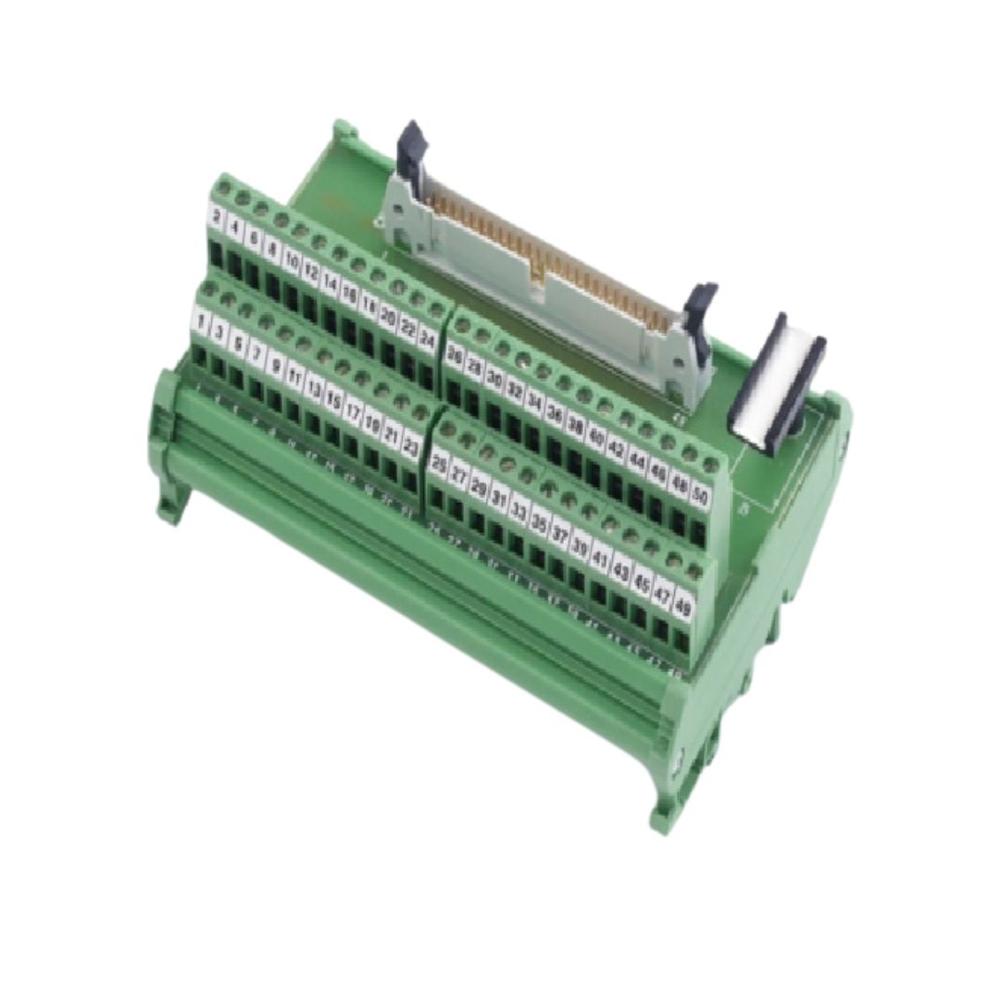
Tell us about your requirement

Price:
Quantity
Select Unit
- 50
- 100
- 200
- 250
- 500
- 1000+
Additional detail
Mobile number
Email

More Products in Industrial Interface And Panel Accesories Category
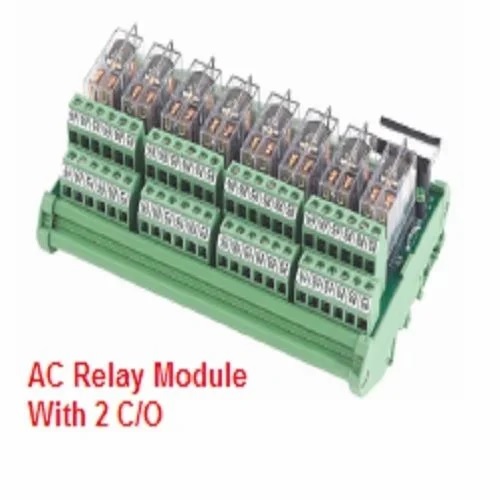
UL Ac Relay Board
Price 1250 INR / Piece
Minimum Order Quantity : 10 Pieces
Voltage : null
Weight : null
Load Capacity : null
Temperature : null
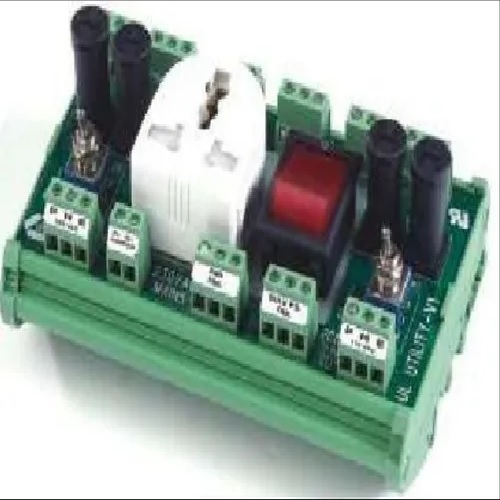
Utility Module With On/Off Control For Tube Lights And Fan
Price 1200 INR / Piece
Minimum Order Quantity : 1 Piece
Voltage : 220240V AC
Weight : Approx. 250g
Load Capacity : 1200W max total
Temperature : 10C to 55C operating range
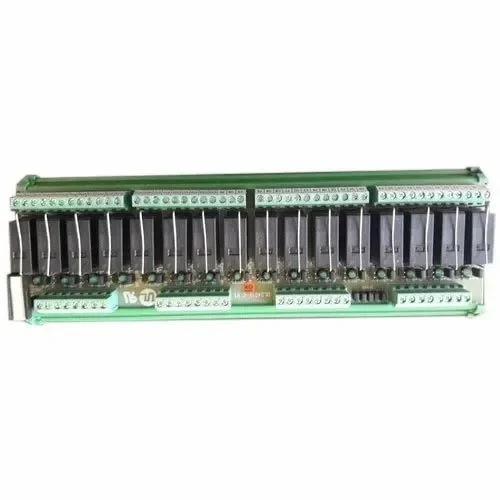
UL 16 Channel Relay Board
Price 1600 INR / Piece
Minimum Order Quantity : 10 Pieces
Voltage : 5V/12V Relay Coil Voltage (Model Dependent)
Weight : Approx. 400g
Load Capacity : Up to 10A 250VAC / 10A 30VDC per relay
Temperature : Operating: 40C to 85C
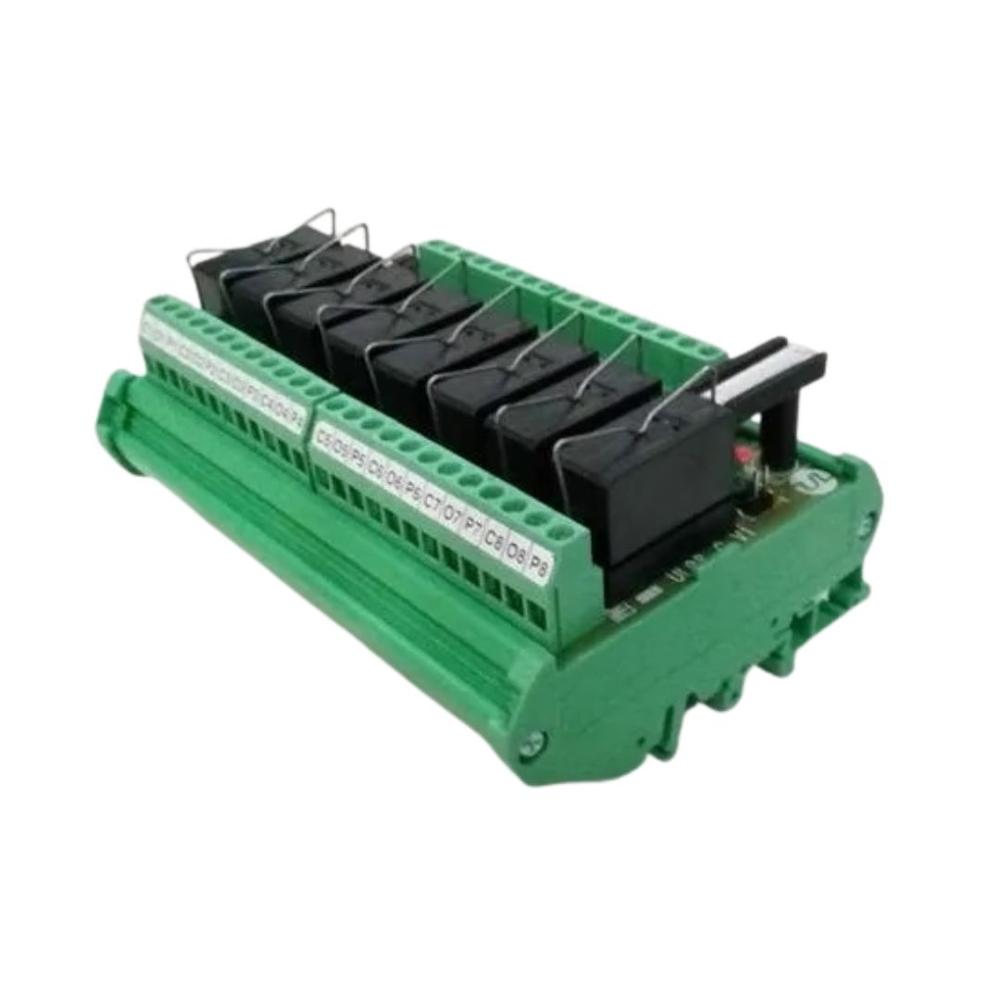
UL Relay Board
Price 570.0 INR / Piece
Minimum Order Quantity : 10 Pieces
Voltage : 250V AC / 30V DC (Relay Output)
Weight : Approx. 120 g
Load Capacity : 10A (per Relay)
Temperature : 20C to +70C

Contact Details
P&S INNOVATION
GST : 09AAYFP6340G1ZO
- E-168, Sagar IT Park, Sector-63, Noida, Gautam Buddha Nagar,Noida - 201309, Uttar Pradesh, India
- Phone :07971670477
 Send Inquiry
Developed and Managed by Infocom Network Private Limited.
