
Call: 07971670477
 Send Inquiry
 Send Inquiry
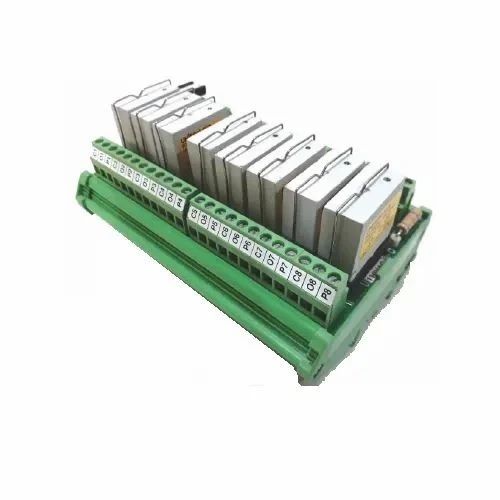
UL 16 Channel Relay Board
Price 1600 INR/ Piece
MOQ : 10 Pieces
UL 16 Channel Relay Board Specification
- Frequency
- 50/60 Hz
- Mounting Type
- Panel mount with mounting holes
- Control Type
- TTL Logic Control (Applicable for Arduino, Raspberry Pi, etc.)
- Drive Type
- Electromechanical Relay
- Connectivity Type
- Screw Terminal Blocks
- Remote Control
- Yes
- Features
- Opto-Isolated Inputs for Noise Protection, LED Status Indicators, High Durability
- Load Capacity
- Up to 10A 250VAC / 10A 30VDC per relay
- Cable Length
- Not included
- Weight
- Approx. 400g
- Application
- Industrial Automation, Home Automation, PLC Systems, Microcontroller Interfacing
- IP Rating
- IP20
- Automation Grade
- Automatic
- Phase
- Single Phase (Control Side)
- Material
- FR4 PCB, Flame Retardant, High Quality PCB Board
- Power
- 12V DC Power Input
- Temperature
- Operating: -40°C to 85°C
- Voltage
- 5V/12V Relay Coil Voltage (Model Dependent)
- Status Indicators
- LED for Each Channel
- Relay Contact Type
- SPDT (Single Pole Double Throw)
- Mounting Accessories Included
- No
- Relay Life Expectancy
- Over 100,000 Operations
- Isolation
- Photocoupler Isolation on All Channels
- Board Dimensions
- About 195 x 100 x 20 mm
- Compliance
- UL Certified Components
- Coil Current Draw
- ~70mA per Relay (at 12V)
- Channels
- 16 Independent Relay Outputs
- Input Trigger Voltage
- 3-24V on Opto-isolated Inputs
UL 16 Channel Relay Board Trade Information
- Minimum Order Quantity
- 10 Pieces
- Main Domestic Market
- All India
UL 16 Channel Relay Board About
We have carved a niche amongst the most trusted names in this business, engaged in offering a comprehensive range of 16 Channel Relay Interface Module.
Additional Information:
Pay Mode Terms: Against Proforma
Port of Dispatch: Pune
Production Capacity: 100 nos per day
Delivery Time: 1 week
Superior Isolation and Reliability
This relay board incorporates photocoupler isolation on all channels, ensuring electrical separation between your control circuitry and connected appliances. With a relay life expectancy exceeding 100,000 operations, your automation projects benefit from enhanced durability and noise immunity, making it ideal for demanding industrial and home settings.
Flexible and Simple Integration
Designed for automation versatility, the board supports 3-24V logic level triggers and works seamlessly with common microcontroller platforms. The screw terminal blocks ensure easy wiring, while status LEDs for every relay provide real-time feedback during setup and operation, streamlining your integration process.
FAQ's of UL 16 Channel Relay Board:
Q: How do I connect the UL 16 Channel Relay Board to a microcontroller like Arduino or Raspberry Pi?
A: You can connect each relay's input pin to a digital output pin on your microcontroller, applying a 3-24V signal for activation. The board's opto-isolated inputs protect your controller from voltage spikes, and control is achieved through standard TTL logic.Q: What load capacity can each relay handle and what devices can I switch?
A: Each relay can switch up to 10A at 250VAC or 10A at 30VDC, allowing control of lights, fans, pumps, and other appliances within these ratings. Ensure you do not exceed these limits to maintain safety and board longevity.Q: Where should I install the relay board for optimal operation?
A: The board is designed for indoor use with an IP20 rating and should be mounted on a panel using the provided mounting holes. Avoid moisture, dust, and direct heat sources to ensure reliable performance within the -40C to 85C operating temperature range.Q: What benefits do opto-isolated inputs offer in automation applications?
A: Opto-isolated inputs electrically separate control signals from the relay coils, protecting sensitive control circuitry from surges, noise, and ground loops. This leads to increased longevity and dependability in sensitive or noisy environments.Q: Can I remotely control the relays or monitor their status?
A: Direct remote wireless control is not included on this board. However, you can implement remote operation via an external microcontroller that interfaces with the board and communicates remotely. Individual relay status can be visually monitored via the on-board LEDs.Q: When should I use the 5V or 12V relay coil version?
A: Choose the relay coil voltage that matches your system's available control voltage-either 5V or 12V. This information is model-dependent and should align with your project's power supply specifications.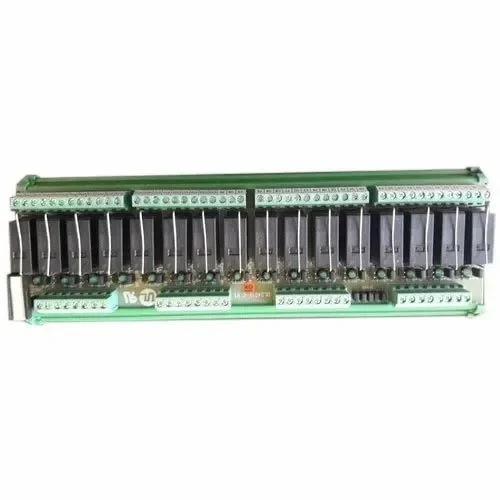
Tell us about your requirement

Price:
Quantity
Select Unit
- 50
- 100
- 200
- 250
- 500
- 1000+
Additional detail
Mobile number
Email

More Products in Industrial Interface And Panel Accesories Category
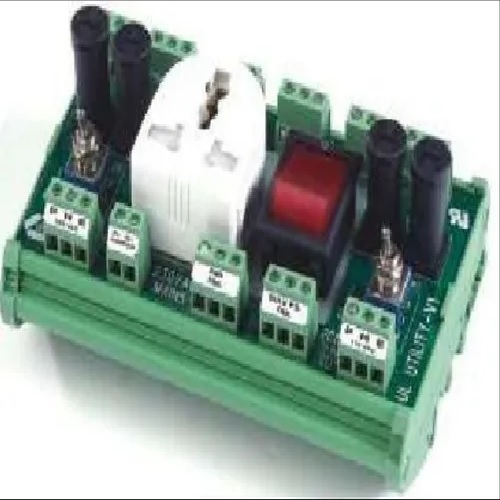
Utility Module With On/Off Control For Tube Lights And Fan
Price 1200 INR / Piece
Minimum Order Quantity : 1 Piece
Voltage : 220240V AC
Features : Modular, shockproof, compact design, LED indicator, easy installation
Material : Polycarbonate body with flameretardant finish
Mounting Type : Wall Mount
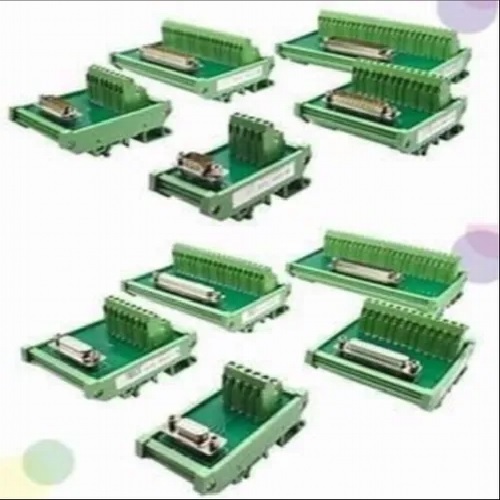
Passive Interface Modules
Price 980 INR / Piece
Minimum Order Quantity : 1 Piece
Voltage : up to 250V AC/DC
Features : LED status indication (optional), Compact design, Multiple channel support
Material : Polycarbonate, ABS or FR4 (PCB base), Flame Retardant
Mounting Type : DIN Rail Mount, Panel Mount
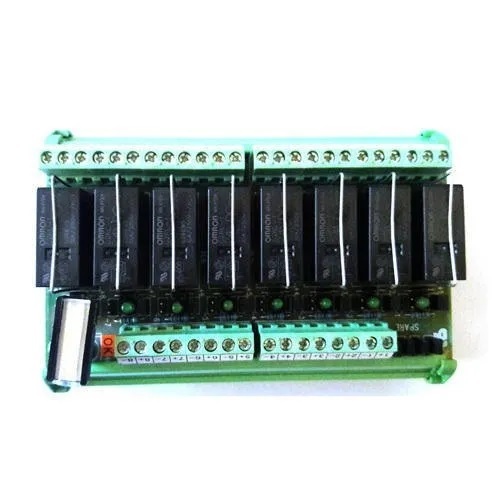
UL Relay Card
Price 600 INR / Piece
Minimum Order Quantity : 10 Pieces
Voltage : Up to 250V AC
Features : LED Status Indicator, Fuse Protection, OptoIsolated Inputs
Material : Epoxy Fiber Glass PCB
Mounting Type : Panel Mount
UL SSR Relay Module
Price 3500 INR / Piece
Minimum Order Quantity : 1 Piece
Voltage : 250V AC (Load, Max), 332V DC (Input)
Features : Optically isolated, Fast switching, No mechanical contacts, Low maintenance, UL certified
Material : FR grade PCB and Electronic components
Mounting Type : DIN Rail / Panel Mountable

Contact Details
P&S INNOVATION
GST : 09AAYFP6340G1ZO
- E-168, Sagar IT Park, Sector-63, Noida, Gautam Buddha Nagar,Noida - 201309, Uttar Pradesh, India
- Phone :07971670477
 Send Inquiry
Developed and Managed by Infocom Network Private Limited.
