
Call: 07971670477
 Send Inquiry
 Send Inquiry
Relay Boards 8 Channel
Price 1000 INR/ Piece
MOQ : 1 Piece
Relay Boards 8 Channel Specification
- Control Type
- Digital/TTL Logic Triggered
- Load Capacity
- 10A @ 250VAC / 10A @ 30VDC per Channel
- Weight
- ~180g per board
- Cable Length
- Depends on user wiring; board does not include input/output cables
- Processor Type
- Not Applicable (Passive Board)
- Mounting Type
- DIN Rail & Screw Mountable
- Drive Type
- Electromechanical Relay
- Features
- Opto-isolated Inputs, LED Status Indicators, High Reliability
- Remote Control
- Yes
- Application
- Industrial Automation, Home Automation, IoT Projects, Robotics
- Frequency
- 50/60 Hz Supported Operations
- Speed Range
- Relay Switching: <10ms input-output delay
- Phase
- Single Phase Control (Relay channels are single-pole)
- Automation Grade
- Semi-Automatic
- IP Rating
- IP20 (Indoor Usage Only)
- Connectivity Type
- Screw Terminal, Pin Header
- Material
- FR4 PCB, High-grade plastic casing
- Power
- 5 W (typical per board)
- Temperature
- Operating: -20°C to +70°C
- Voltage
- 5V DC (Relay Coils), Input Signal 3.3V/5V compatible
- Compatible Controllers
- Arduino, Raspberry Pi, ESP32, PLCs, AVR, PIC, ARM, etc.
- Operating Humidity
- 10% - 90% RH Non-condensing
- Relay Life Expectancy
- 100,000 Operations (at rated load)
- Indicator
- On-board Signal & Power LEDs
- PCB Thickness
- 1.6mm FR4
- Number of Channels
- 8 Channels (Independent Relay Control)
- Input Isolation
- Optocoupler Isolated
- Relay Type
- SPDT (Single Pole Double Throw)
- Mount Hole Size
- 3.2mm (suitable for M3 screws)
- Activation Current
- ~70 mA per channel
- Contact Material
- Silver Alloy
Relay Boards 8 Channel Trade Information
- Minimum Order Quantity
- 1 Piece
- Main Domestic Market
- All India
About Relay Boards 8 Channel
Matching up with the ever increasing requirements of the customers, our company is engaged in providing 8 Channel Fuse Protection Relay board
Product Specification
Current (Ampere) 10 AApplication AC AND DCModel Number ULEP24D08(OFI)- COB V1Brand UL GROUPCondition NewChannel 8 ChannelAmbient operating temp 0 degree to 60 degree celTropicalisation Conformal Coating on PCB Solder sideVoltage 24VSystem Signal level 24 VField Signal level 24VDC/ 230VAC/ 110VACFuse rating per Channel 5A/ 250VFuse type Glass FuseFuse blown indication 3mm Red LEDStatus indication 3mm Green LEDCurrent or power consumption of module Maximum 225mA (when all channels on)
Versatile Independent Control
Each of the eight channels on this relay board operates independently, thanks to SPDT electromechanical relays and optocoupler isolation. This allows precise control and signal separation, making it ideal for diverse automation needs across industrial, home, and IoT environments.
Robust Design & Mounting Options
Built on a 1.6mm FR4 PCB with a high-grade plastic casing, the board offers reliable protection and durability. Mount holes (3.2mm) enable convenient DIN rail or screw mounting, fitting standard M3 hardware for effortless installation in control panels and custom enclosures.
Flexible Compatibility for Controllers
Compatible with popular platforms including Arduino, Raspberry Pi, ESP32, PLCs, AVR, PIC, and ARM microcontrollers, this relay board fits seamlessly into digital and TTL logic systems. Pin headers and screw terminals offer practical connectivity options for both prototyping and permanent installations.
FAQ's of Relay Boards 8 Channel:
Q: How do I interface an 8-channel relay board with my Arduino or Raspberry Pi?
A: You can connect the relay board's input pins directly to the digital I/O pins on your Arduino or Raspberry Pi. The opto-isolated inputs work with both 3.3V and 5V logic signals, ensuring safe activation and broad compatibility.Q: What types of devices can I control with this relay board?
A: This relay board can switch AC and DC loads up to 10A per channel, such as lights, fans, motors, pumps, and other appliances, making it suitable for industrial automation, home automation, and robotics projects.Q: When should I use optocoupler-isolated relay boards?
A: Optocoupler isolation is beneficial when you need to protect your control system (e.g., microcontroller or PLC) from high-voltage spikes or noise, ensuring reliable signal separation and improved safety in automation setups.Q: Where should this relay board be installed for optimal safety and performance?
A: Install the relay board in indoor environments (IP20 rated) within control enclosures or panels, using DIN rail or screw mounting. Avoid exposure to moisture or condensing humidity (10%-90% RH non-condensing) and operate within a temperature range of -20C to +70C.Q: What is the typical process for connecting loads to the relay board?
A: Use the board's screw terminals to connect your load wires to the Common, Normally Open, or Normally Closed contacts of each relay channel. Ensure all wiring is secure and rated for the intended voltage and current.Q: How does the relay board signal its operating status?
A: The relay board includes on-board power and signal LEDs for each channel, providing visual confirmation of power status and relay activation, which helps with troubleshooting and monitoring.Q: What are the main benefits of using this relay board in automation projects?
A: Key benefits include high reliability, robust isolation, quick switching time (<10ms), compatibility with various controllers, and multiple mounting and connectivity options, catering to both professional automation and DIY solutions.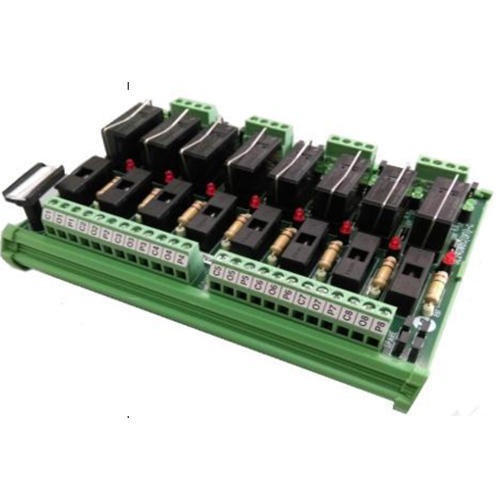
Tell us about your requirement

Price:
Quantity
Select Unit
- 50
- 100
- 200
- 250
- 500
- 1000+
Additional detail
Mobile number
Email

More Products in Industrial Interface And Panel Accesories Category
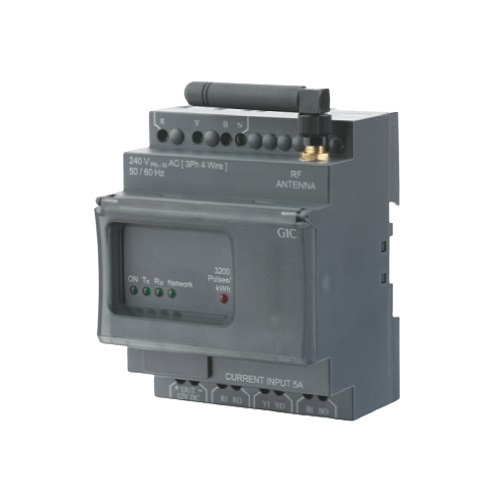
automation equipment
Price 1870 INR / Piece
Minimum Order Quantity : 1 Piece
Material : Mild steel, Stainless steel
Voltage : 220 V AC
Connectivity Type : Wired / Ethernet
Phase : Single & Three Phase
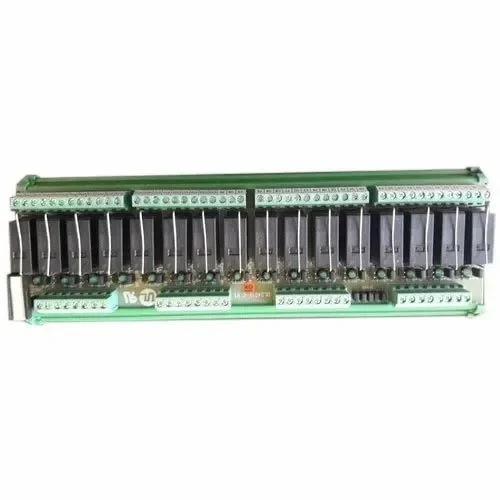
UL 16 Channel Relay Board
Price 1600 INR / Piece
Minimum Order Quantity : 10 Pieces
Material : FR4 PCB, Flame Retardant, High Quality PCB Board
Voltage : 5V/12V Relay Coil Voltage (Model Dependent)
Connectivity Type : Screw Terminal Blocks
Phase : Single Phase (Control Side)
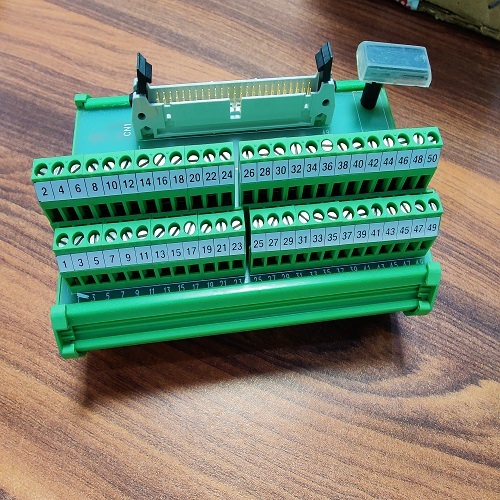
UL FLKM 50 Passive Interface Modules
Price 650 INR / Piece
Minimum Order Quantity : 1 Piece
Material : FR Grade Plastic and Copper
Voltage : Max 250 V AC/DC
Connectivity Type : Screw Terminal Blocks
Phase : Single/Three Phase Compatible
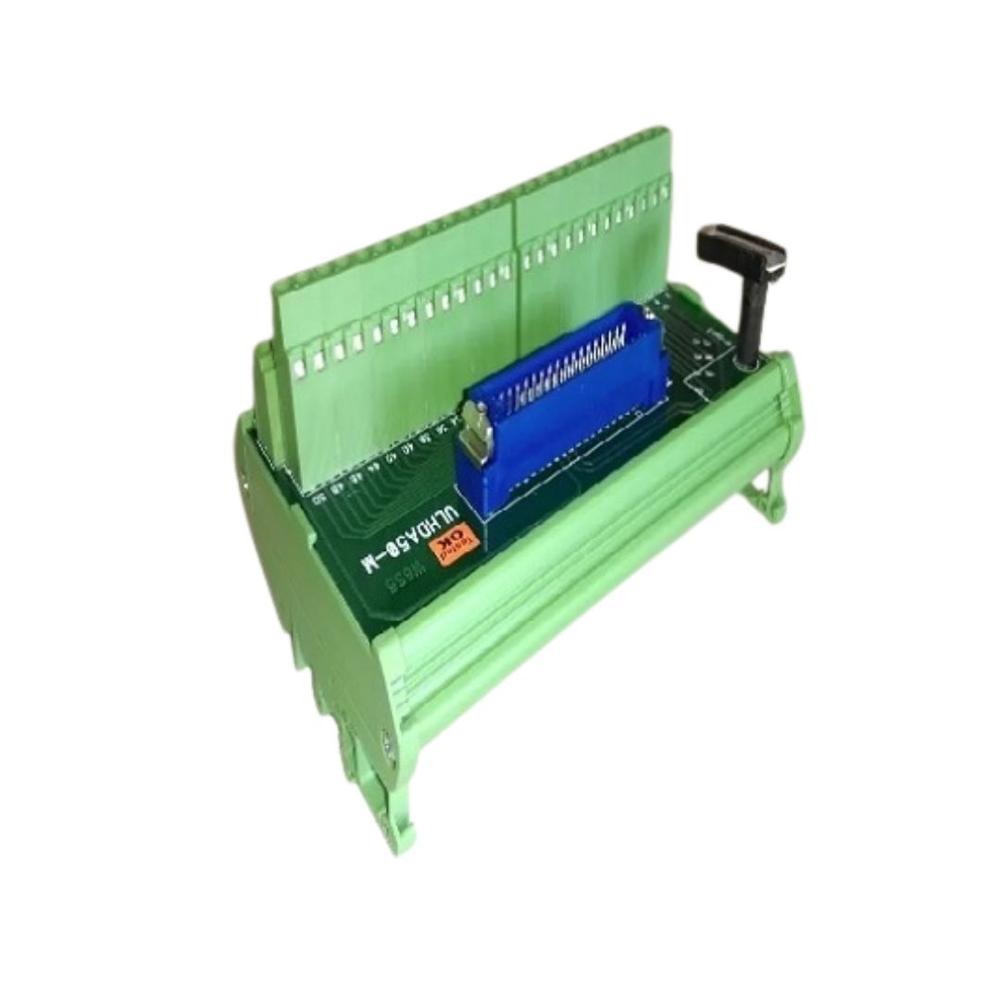
UL Connector Module
Price 1050 INR / Piece
Minimum Order Quantity : 10 Pieces
Material : Plastic and metal
Voltage : 24V DC
Connectivity Type : Wired
Phase : Singlephase

Contact Details
P&S INNOVATION
GST : 09AAYFP6340G1ZO
- E-168, Sagar IT Park, Sector-63, Noida, Gautam Buddha Nagar,Noida - 201309, Uttar Pradesh, India
- Phone :07971670477
 Send Inquiry
Developed and Managed by Infocom Network Private Limited.
