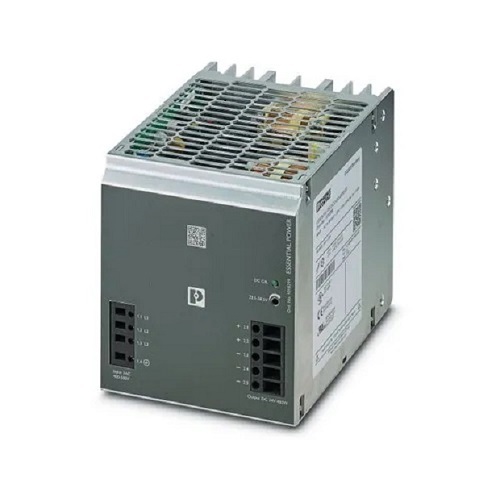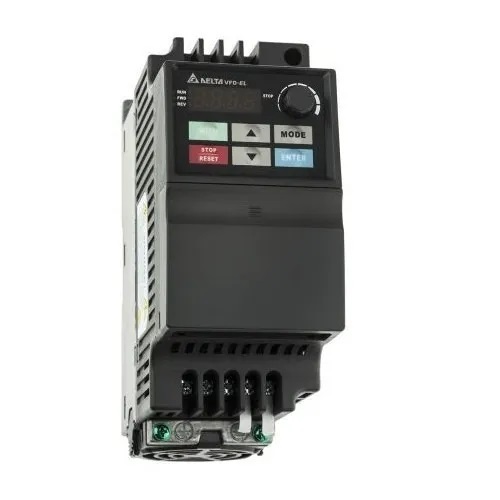
About UL Automation PLC DCS Interfacing Module
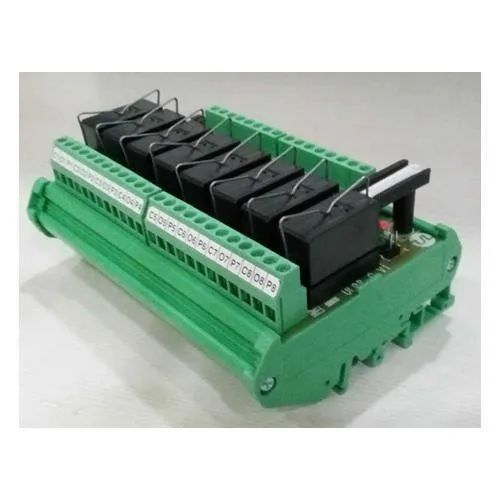
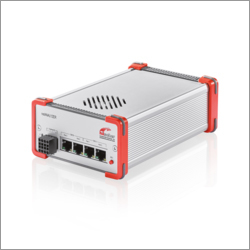
PLC DCS Interfacing Module
BranD UL Automation
Manufacturer Series Digital Input Module
I/O Points 8/16/24
Output Type Digital
Usage/Application Industrial
Transmission Rate 12Mbit/s
Voltage 48V
Advanced Interfacing and IsolationThis module provides essential signal isolation up to 1500V AC, protecting both PLC and DCS equipment from electrical surges and system faults. The selectable channels (8, 16, or 32) offer flexibility for expanding industrial automation setups, while simultaneous digital and analog I/O support maximizes versatility. It's engineered to meet the rigorous demands of modern manufacturing, process control, and utility applications.
Efficient Communication and DiagnosticsIntegrated RS232, RS485, and Ethernet ports support broad connectivity standards, including Modbus RTU/TCP, with top speeds up to 115200 Baud. LED indicators provide quick visual updates on channel status and device health. Smart features, such as self-test and error logging, simplify maintenance and troubleshooting, minimizing downtime and enhancing operational reliability.
Reliable Rugged Industrial DesignConstructed with a high-grade ABS enclosure and metal base, the module withstands extreme environments-from -10C to +60C and up to 90% non-condensing humidity. DIN rail and panel mount options allow seamless integration in control cabinets. With IP20 protection, remote control compatibility, and upgradable firmware, it's built for the evolving requirements of global automation systems.
FAQ's of UL Automation PLC DCS Interfacing Module:
Q: How can I configure the channel count for the UL Automation PLC DCS Interfacing Module?
A: The module supports flexible configuration for 8, 16, or 32 channels. Configuration can be set during installation based on the application's requirements or adjusted via firmware upgrades, ensuring optimal scalability for industrial projects.
Q: What types of PLC and DCS systems is this module compatible with?
A: The module interfaces seamlessly with Siemens, Allen Bradley, and ABB PLCs and DCS systems. Its multi-protocol support and standard communication ports facilitate integration into diverse automation setups globally.
Q: When should I use the module's self-test and error logging diagnostics?
A: Utilize the self-test and error logging features during regular maintenance or when troubleshooting channel failures and data communication issues. These diagnostics help identify, record, and facilitate timely resolution of operational errors.
Q: Where should the module be installed for optimal performance?
A: The module is designed for DIN rail or panel mounting inside control cabinets. This placement ensures secure installation, safety from environmental factors, and easy access for wiring and status monitoring.
Q: What benefits does the high isolation voltage provide to my automation system?
A: A 1500V AC isolation protects your equipment from voltage spikes and electrical surges, reducing downtime and maintenance costs and safeguarding sensitive control devices in industrial environments.
Q: How is firmware upgraded for this interfacing module?
A: Firmware can be upgraded via USB or Ethernet port, enabling the module to adapt to newer protocols, enhance performance, and maintain compliance with automation standards without hardware replacement.
Q: What type and size of wire is supported by the module?
A: It accepts wire sizes from 0.5 mm2 to 2.5 mm2, accommodating standard industrial cables for both signal and power connections, ensuring dependable and safe operation in critical automation circuits.