
Call: 07971670477
 Send Inquiry
 Send Inquiry
Fiber Optic Patch Cord 3m - 10m
Price 550 INR/ Piece
MOQ : 5 Pieces
Fiber Optic Patch Cord 3m - 10m Specification
- Core Material
- Glass (Silica)
- Conductor Shape
- Round
- Insulation
- Optical Fiber Coating
- Features
- Low insertion loss, High return loss, Durable, Flexible, Easy to install, ROHS compliant
- Operating Temperature
- -20C to +70C
- Locking Type
- Standard push-pull
- Tensile Strength
- 100N (short term)
- Install Type
- Indoor and outdoor (as per model)
- Armored Material
- Optional: Stainless Steel for armored cables
- Usage & Applications
- High-speed data transmission, Patch panels, Server rooms, Backbone cabling
- Weight
- Approximately 18g per meter
- Rated Temperature
- -20C to +70C
- Conductor Type
- Singlemode / Multimode
- Impedance
- N/A (Optical)
- Number of Conductor
- 1 or 2 (Simplex or Duplex)
- Dielectiric Strength
- 2000V/mm
- Diameter
- 2.0mm or 3.0mm
- Cable Type
- Singlemode G652D/G657A, Multimode OM1/OM2/OM3/OM4
- Core Number
- 1 or 2
- Product Type
- Fiber Optic Patch Cord
- Length
- 3m - 10m
- Voltage
- N/A (Optical signal only)
- Insulation Material
- PVC, LSZH
- Application
- Data transmission, Telecommunication, Networking, CATV, FTTH, LAN, WAN
- Conductor Material
- Glass Fiber
- Jacket Material
- PVC, LSZH
- Storage Temperature
- -40C to +85C
- Connector Color
- Blue / Beige / Green (as per connector type)
- Shield Material
- Aramid yarn
- Jacket Color
- Yellow (for singlemode), Orange (for multimode)
- Dimension (L*W*H)
- Custom, as per length
- Color
- Yellow, Orange, Aqua (as per cable type)
- Material
- PVC/LSZH/Glass Fiber
- Size
- 3m, 5m, 10m (other sizes available)
- Bend Radius
- 10x cable diameter
- Return Loss
- 50 dB (UPC), 60 dB (APC)
- RoHS Compliant
- Yes
- Connector Type
- SC, LC, ST, FC (UPC/APC available)
- Polish Type
- UPC/APC
- Insertion Loss
- 0.3 dB (typical)
- Ferrule Material
- Ceramic
- Packing
- Individual PE bag
- Flame Retardant
- Yes
Fiber Optic Patch Cord 3m - 10m Trade Information
- Minimum Order Quantity
- 5 Pieces
- Main Domestic Market
- All India
Fiber Optic Patch Cord 3m - 10m About
Product Description
Fiber optic patch cord is one of most commonly used components in fiber optic network. fiber optic patch cords sometimes is also called fiber optic jumper or fiber optic patch cables. generally there are two types of fiber optic patch cords single mode fiber optic patch cords and multi mode fiber optic patch cords. here the word mode means the transmitting mode of the fiber optic light in the fiber optic cable core. usually single mode fiber optic patch cord are with 9/125 fiber glass and is yellow jacket color, multi mode fiber optic patch cord are with 50/125 or 62.5/125 fiber glass and is orange color.
Fiber optic patchcord are used for linking the equipment and components in the fiber optic network ,they are with various kinds of fiber optic connector types. the fiber optic patch cord types are classified by the fiber optic connector types.for example,we name LC fiber optic patch cord because this cable is with LC fiber optic connector.there are PC,UPC,APC type fiber patch cord, they are different because of the polish of fiber connectors.
Fiber optic patch cord are with various kinds of cables,PVC, Riser, Plenum, OFNR,OFNP,LSZH (LSOH),10 Gig Aqua, there are simplex fiber optic patch cord and duplex fiber optic patch cord and multi fiber cable assemblies,and there are ribbon fan out fiber cable assemblies and bundle fiber optic cable assemblies.Typical fiber optic patch cord cable diameter can be 0.9mm,2mm,or 3mm.
Reliable Performance for Modern Networks
Engineered to meet demanding standards, this fiber optic patch cord provides consistent low-loss performance and high return loss. Its ceramic ferrule ensures precise signal alignment, minimizing transmission loss, and ensuring reliable connectivity for critical network infrastructures.
Versatile Connectivity Options
With a choice of SC, LC, ST, or FC connectors (UPC/APC polish), the cable seamlessly integrates into a variety of setups. The patch cord supports both singlemode and multimode fibers (G652D/G657A and OM1/OM2/OM3/OM4), suitable for LAN, WAN, server rooms, and more.
Durability Meets Flexibility
Constructed with high-quality PVC or LSZH jackets and aramid yarn reinforcement, this patch cord endures daily handling and installation stress. Its bend radius (10x cable diameter) and tensile strength (100N short-term) make it dependable for both short runs and complex cabling environments.
FAQ's of Fiber Optic Patch Cord 3m - 10m:
Q: How is this fiber optic patch cord installed and what is its minimum bend radius?
A: Installation is straightforward-just connect the patch cord between compatible optical ports using the correct connector type (SC, LC, ST, or FC). Ensure the cable's minimum bend radius is respected (at least 10 times its diameter) to protect signal integrity and prevent damage.Q: What makes the patch cord suitable for high-speed data transmission and telecommunication?
A: The patch cord features low insertion loss (0.3 dB) and high return loss (50 dB UPC, 60 dB APC), delivering stable signal quality vital for high-speed data and telecommunication networks. The ceramic ferrule and precise polish contribute to its outstanding performance.Q: When should I choose singlemode versus multimode patch cords?
A: Select singlemode (yellow) for long-distance, high-bandwidth applications such as backbone cabling and FTTH. Choose multimode (orange or aqua) for shorter length, high-capacity setups commonly used in data centers and local area networks (LANs).Q: Where can these fiber optic patch cords be used?
A: These patch cords are ideal for use in indoor and outdoor environments depending on the model. Common applications include patch panels, server rooms, CATV, LAN, WAN, and backbone installations in both new and existing network infrastructures.Q: What benefits do UPC and APC polishing types offer?
A: UPC polish delivers low insertion loss and a return loss of 50 dB, while APC polish offers even higher return loss (60 dB), minimizing reflection for sensitive applications. APC is especially advantageous in environments where low back reflection is critical, like radio frequency transmission.Q: Are the cables flame-retardant, RoHS compliant, and safe for use in sensitive areas?
A: Yes, all cables are flame-retardant and RoHS compliant, making them suitable and safe for deployment in environments with strict safety and environmental requirements such as offices, data centers, and telecommunications hubs.Q: What connector color options are available and how do they relate to the cable type?
A: Connector colors are designated according to industry standards-blue or beige for UPC connectors, green for APC, yellow for singlemode cables, and orange or aqua for multimode types. This assists with quick identification and ensures proper installation.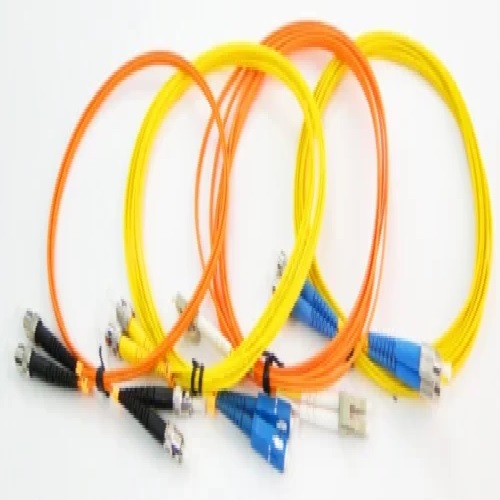
Tell us about your requirement

Price:
Quantity
Select Unit
- 50
- 100
- 200
- 250
- 500
- 1000+
Additional detail
Mobile number
Email

More Products in Cable Category
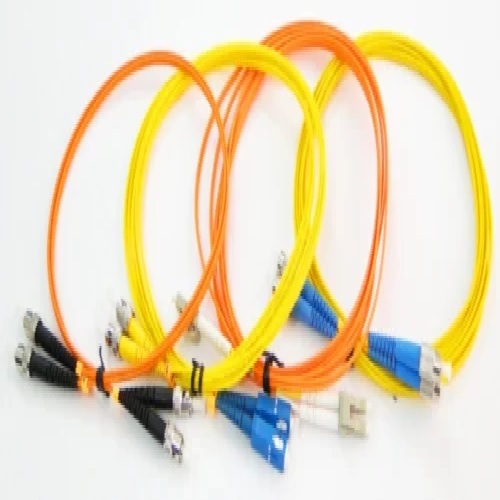
Fiber Patch Cords
Price 550 INR / Piece
Minimum Order Quantity : 5 Pieces
Length : 1 meter (customizable)
Product Type : Fiber Patch Cord
Jacket Material : Other, PVC/LSZH
Voltage : Other, N/A (for data transmission)
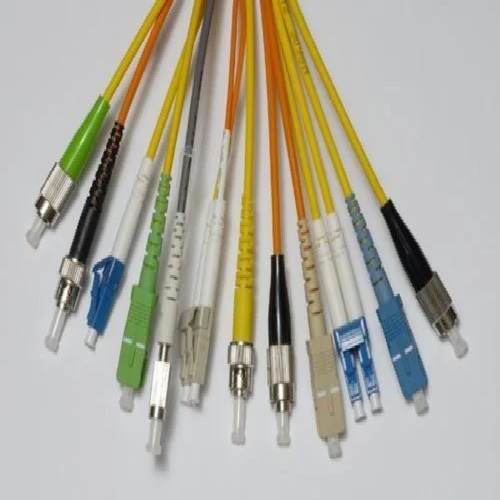
Fiber Optic Patch Cord 1m - 10m
Price 550 INR / Piece
Minimum Order Quantity : 1 Piece
Length : 1m 10m
Product Type : Fiber Optic Patch Cord
Jacket Material : Other, PVC/LSZH
Voltage : Other, Not applicable (optical transmission)
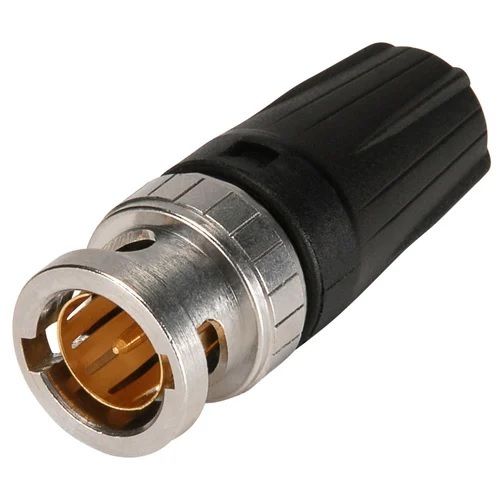
Neutrik BNC Cable NBNC75BTU-11 Male Connector
Price 360 INR / Piece
Minimum Order Quantity : 100 Pieces
Length : Custom/Varies (connector only)
Product Type : BNC male coaxial cable connector
Jacket Material : Other, N/A (connector only)
Voltage : Other, 500 V RMS
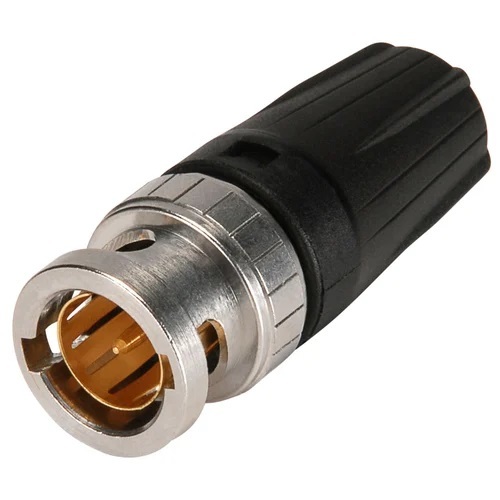
Neutrik BNC NBNC75BUU11 Male Contactor
Price 293 INR / Piece
Minimum Order Quantity : 100 Pieces
Length : Standard for connector only, no cable (contact manufacturer for pigtail options)
Product Type : BNC Male Contact Connector
Jacket Material : Other, Not applicable (connector only)
Voltage : Other, 500 V rms

Contact Details
P&S INNOVATION
GST : 09AAYFP6340G1ZO
- E-168, Sagar IT Park, Sector-63, Noida, Gautam Buddha Nagar,Noida - 201309, Uttar Pradesh, India
- Phone :07971670477
 Send Inquiry
Developed and Managed by Infocom Network Private Limited.
